What Brands Look for When Partnering With Athletes in 2026
Athlete marketing has changed shape. A decade ago, a big name and a bigger highlight reel were often enough to close a sponsorship deal. That formula doesn't hold the same weight anymore. Brands in 2026 are asking sharper questions before they sign a contract, and athletes who understand what's actually being evaluated have a real edge in a crowded market.
At Legacy Labs Agency, we work directly with brands and athletes to build partnerships that hold up past the first campaign. Here's what's actually driving those decisions this year.
Authenticity Has Replaced Reach as the Top Priority
Follower counts still matter, but they're no longer the deciding factor. Brands have gotten much better at spotting a paid post that doesn't fit the athlete posting it, and so have fans. A gym-wear brand partnering with someone who's never set foot in a squat rack gets called out fast, and that backlash lands on the brand as much as the athlete.
What brands want now is fit that feels obvious. Does this athlete already use the product, live the lifestyle, or share the values the brand is built on? If the answer is yes, the partnership writes itself. If a marketing team has to build a story to justify the pairing, that's usually a sign to walk away.
Long-Term Relationships Over One-Off Campaigns
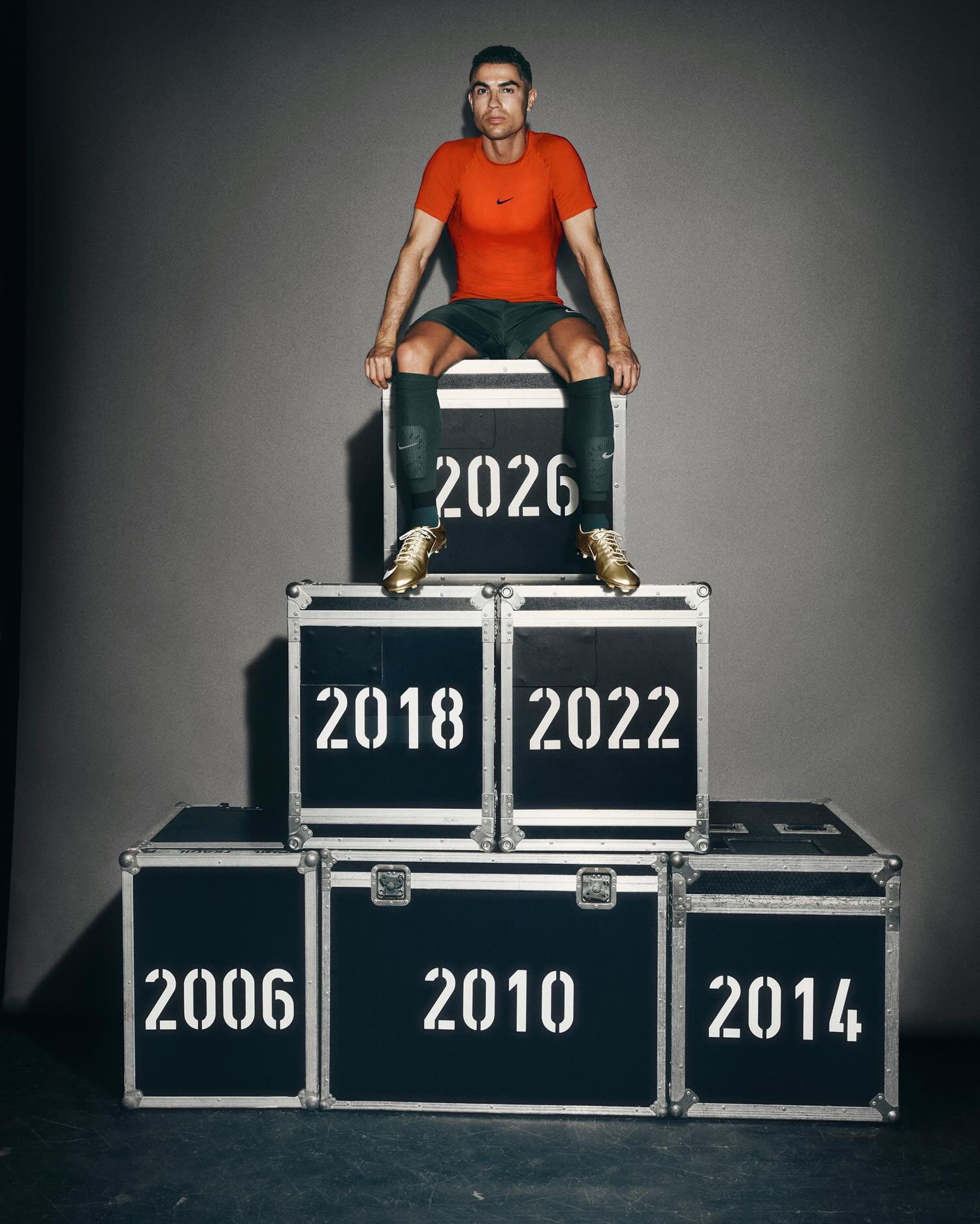
Courtesy of Cristiano Ronaldo (https://www.instagram.com/p/DZ8gM16me2C/?img_index=1)
Single-post deals haven't disappeared, but they're increasingly seen as low-value compared to sustained partnerships. Brands have realized that a single sponsored post rarely builds the kind of recall or trust that turns into sales. A face fans see connected to a product for a full season, or several years, does.
This shift changes how deals get structured. Instead of a flat one-time fee, more brands are offering multi-year agreements, ambassador roles, and even equity stakes that give athletes a real interest in the brand's success. It's a better deal for both sides — athletes get stability and a clearer identity, and brands get an ambassador who actually sounds like they mean it.
Off-Field Personality and Storytelling Ability
Athletic performance opens the door, but it's rarely the whole pitch anymore. Brands are looking closely at how an athlete shows up when the cameras from the game aren't rolling. Do they have a point of view? Can they hold a conversation on a podcast, host a segment, or explain a product in their own words instead of reading a script?
Athletes who've built something of their own — a show, a series, a newsletter, a strong presence on a platform where they actually engage with fans — stand out. Brands aren't just buying a face anymore. They're buying a communicator who can carry a message without sounding like an ad.
Reputation Checks Are More Thorough Than Ever
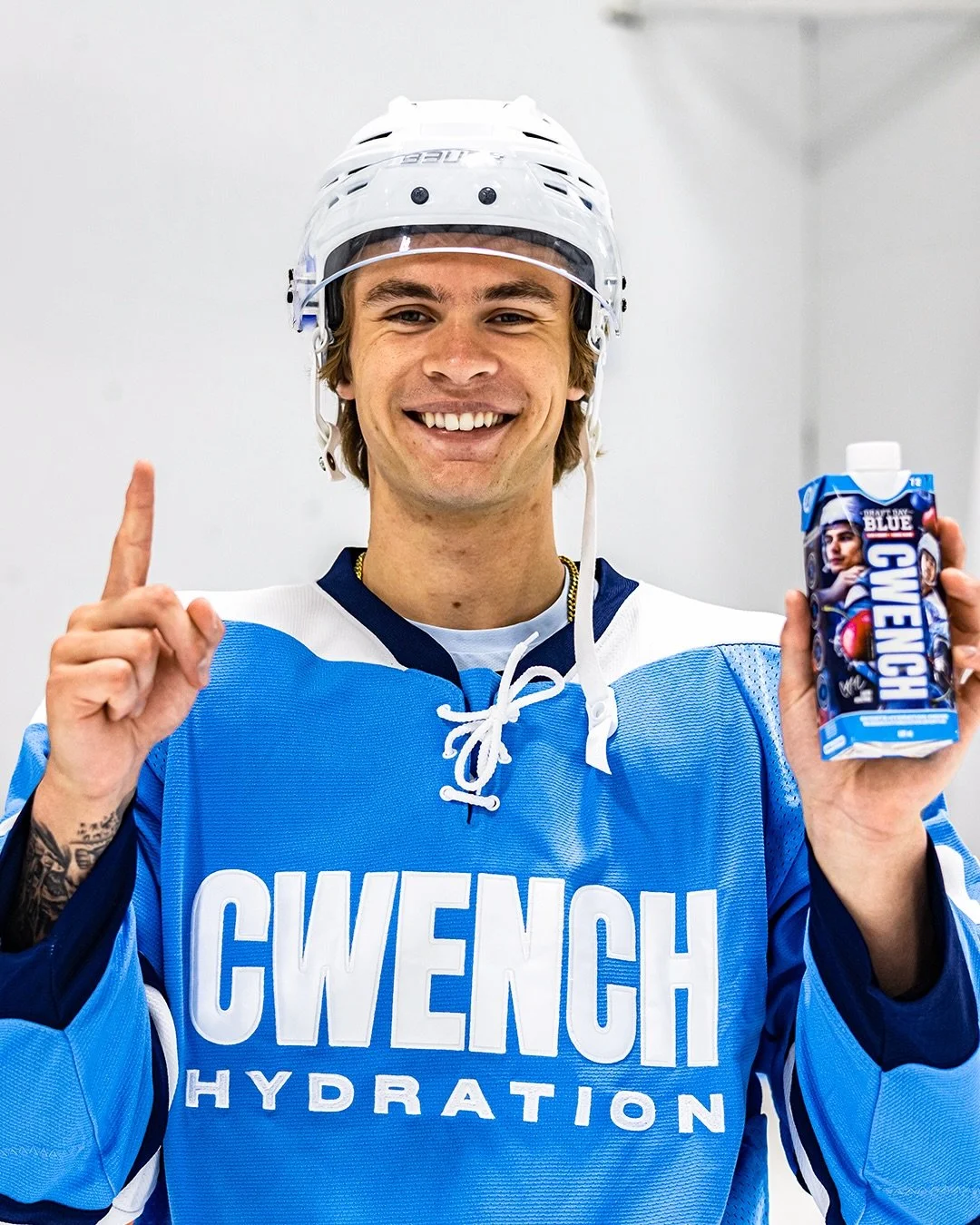
Courtesy of Gavin McKenna (https://www.instagram.com/p/DaET9iZmhNW/?img_index=1)
Vetting an athlete used to mean a quick look at their stats and maybe their social media. That's no longer close to enough. Brands are digging into past partnerships, old posts, business ventures, and public behavior before they'll put their name next to an athlete's.
The reason is simple: a single clip or old comment can go viral in minutes, and there's no editorial buffer to catch it before it reaches millions of people. Brands know that whatever risk an athlete carries becomes their risk too. Athletes who keep their history clean, their partnerships consistent, and their public voice steady are easier for a brand's legal and marketing teams to say yes to.
Ownership, Not Just Endorsement
Some of the biggest deals happening right now don't look like traditional sponsorships at all. Athletes are co-designing products, sitting on advisory boards, and taking ownership stakes in the brands they represent. This isn't limited to global superstars anymore. Mid-tier athletes with strong, specific audiences are landing similar deals because brands would rather build with someone invested in the outcome than rent their image for a quarter.
For athletes, this means thinking beyond "what will this brand pay me" and toward "what could I build with this brand." That mindset shift is exactly what agencies and marketing teams are looking for on the other side of the table.
Women's Sports and Emerging Leagues Are Drawing Real Investment
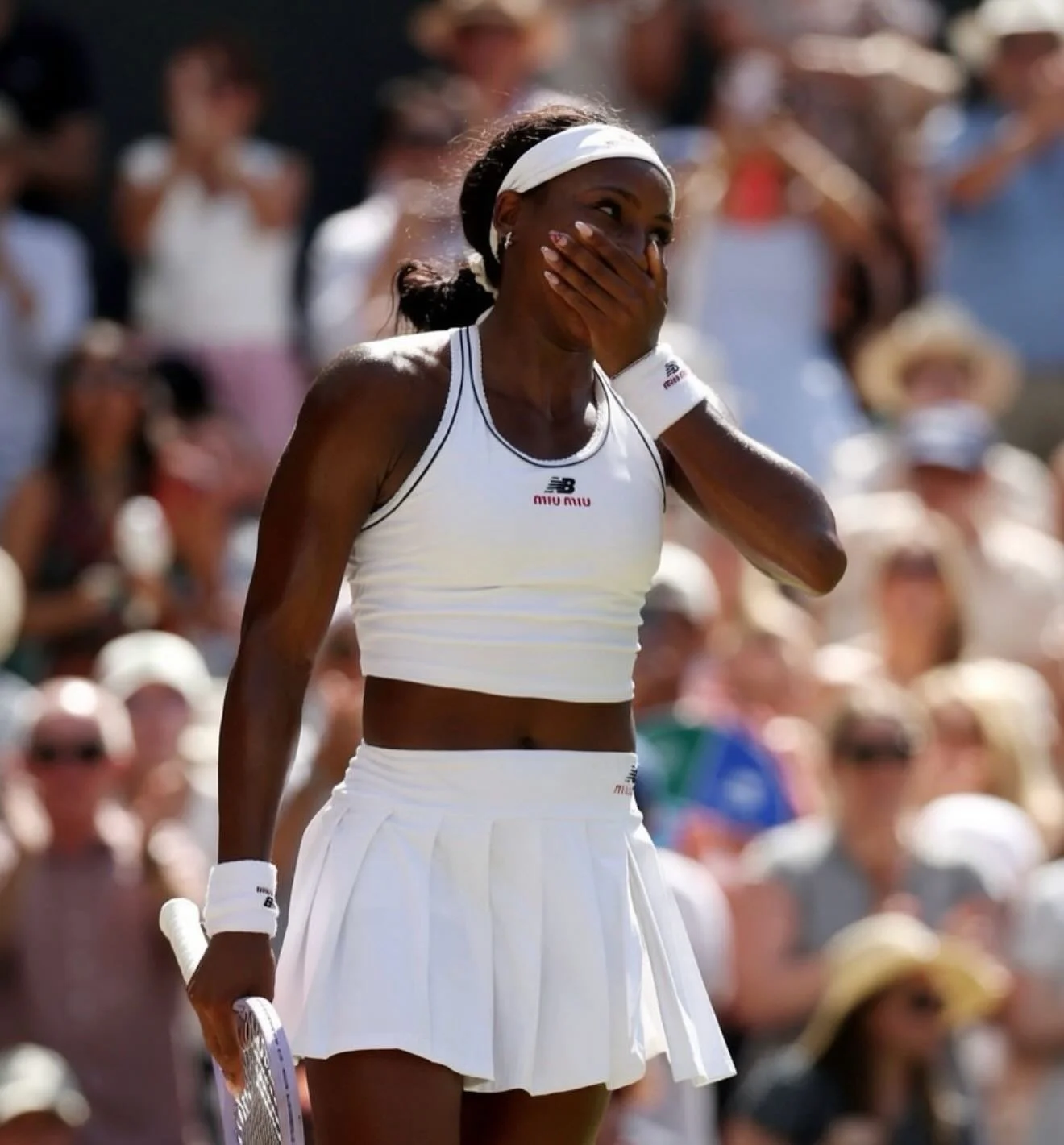
Courtesy of Coco Gauff (https://www.instagram.com/p/DagOs3LjA-T/?img_index=1)
Interest in women's sports has moved past being a trend and become a genuine priority for sponsors. Leagues and events built around athlete ownership and equity are attracting serious sponsor attention, partly because the athletes involved have a direct stake in growing the audience themselves. Brands are treating these partnerships as ground-floor opportunities rather than afterthoughts, which opens doors for athletes outside the usual short list of household names.
Community Impact and Consistency
Brands also want to know an athlete shows up for their community, not just their sport. Consistent involvement with causes, local programs, or fan engagement outside of game day builds a reputation that outlasts any single season. It also gives a brand a story to tell that goes beyond a highlight reel — something audiences respond to and remember.
What This Means for Athletes and Brands Moving Forward
The athletes landing strong partnerships in 2026 aren't necessarily the ones with the biggest numbers. They're the ones with a clear identity, a consistent public presence, and a track record that brands can trust without a second guess. For brands, that means slowing down the vetting process and prioritizing fit over flash. For athletes, it means treating personal brand-building as seriously as training.
Legacy Labs Agency helps athletes and brands find that fit and build partnerships designed to last well beyond a single campaign. If you're an athlete looking to grow your brand, or a company looking for a partnership that actually connects with an audience, reach out to our team to talk through what a smart, sustainable deal looks like in 2026.